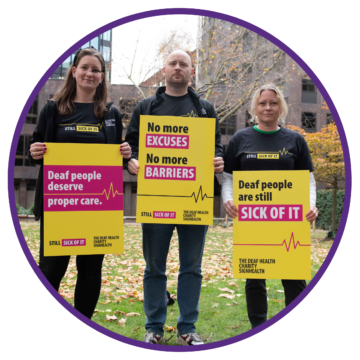
Deaf Awareness Week 2026 – resource.
Creating an inclusive workplace isn’t just about policies—it’s about people. When you work alongside a deaf colleague, you’re not just adapting your communication style; you’re expanding your understanding of how diverse and capable teams truly thrive. Deaf employees bring unique strengths, perspectives, and problem‑solving approaches that enrich a workplace when given the right environment to shine.
Start with respect, not assumptions
Deafness isn’t a one‑size‑fits‑all experience. Some deaf employees use sign language, some rely on lip‑reading, some prefer written communication, and many use a combination. The best first step is simple: ask them what works best. This shows respect and avoids the trap of assuming what they need.
Communication tips that make a real difference
Small adjustments can transform everyday interactions.
- Get their attention first—a gentle wave or a light tap on the desk works well.
- Face them when speaking so they can read your facial expressions or lips if they choose to.
- Speak naturally—no need to exaggerate your mouth movements.
- Use visual aids during meetings: slides, notes, agendas, or shared documents.
- Don’t shout—it distorts sound and can make lip‑reading harder.
These aren’t “special accommodations”; they’re good communication habits that benefit everyone.
Meetings and Collaboration
Meetings can be the most challenging part of workplace communication, but they’re also where inclusion matters most. These practices create clarity and reduce stress for the entire team.
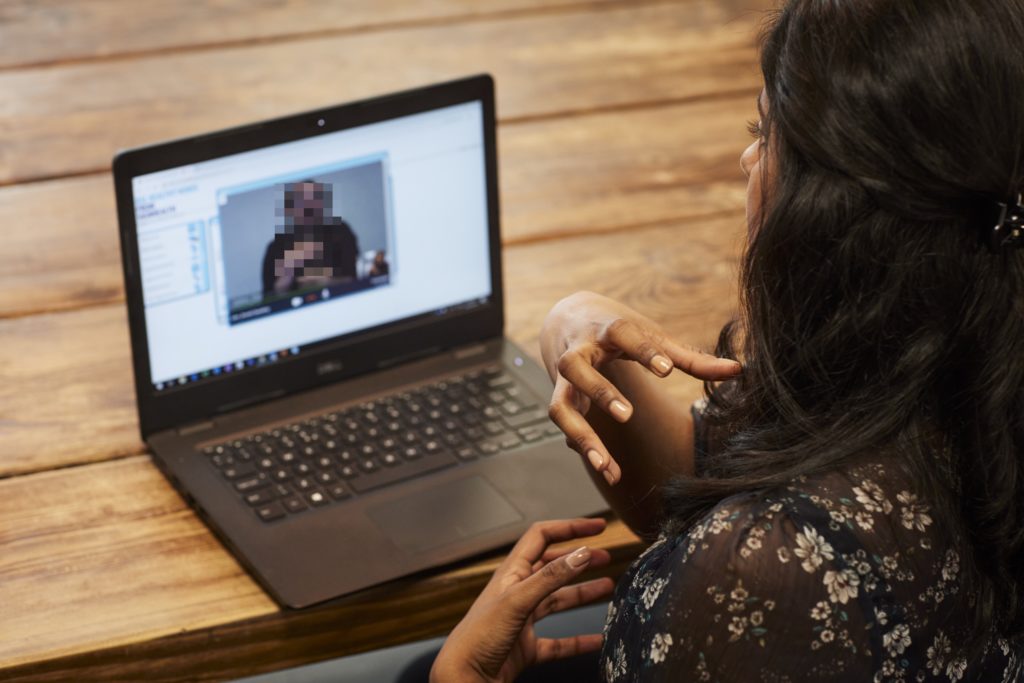
- Provide captions for video calls.
- Share agendas and notes in advance.
- If your colleague uses a sign language interpreter, speak to the deaf employee, not the interpreter.
- Keep one person speaking at a time as overlapping voices are difficult for anyone to follow, and especially for those relying on visual cues.
Technology is your friend, but not always
Modern tools make accessibility easier than ever:
- Live captioning in video conferencing apps
- Speech‑to‑text tools for quick conversations
- Messaging platforms for fast, clear communication
When teams embrace these tools, they often discover they improve productivity across the board. However do be cautious of incorrect predictive text or voice to text translation, do not solely rely on this method.
Belonging
Build a culture where everyone belongs, one of our values at SignHealth ‘We belong.’
Inclusion isn’t a checklist—it’s a culture. Celebrate the diversity of communication styles in your workplace. Encourage colleagues to learn a few basic signs if your deaf coworker uses sign language. Promote awareness training so the whole team feels confident and informed.
When people feel they belong and supported, they bring their best selves to work.
We have internal training and provide BSL courses funding to ensure our staff have the ability to communicate with each other.
How do I ensure a healthy and accessible work environment for my deaf employees and colleagues?
Working with a deaf employee isn’t about “accommodating to a limitation”—it’s about recognising a colleague’s strengths and ensuring they have the same access to communication and opportunity as anyone else. When you create an environment where deaf employees can thrive, you’re building a workplace that’s more empathetic, more innovative, and ultimately more human.
I never have to worry about being excluded or having to advocate for my rights to accessible communication at work, because SignHealth encourage blended team working with staff learning British Sign Language to converse with me and my deaf peers.
– Jess, Digital Fundraising Officer, SignHealth.
As well as raising awareness of the legal requirements and issues within the NHS, we also engage with our community, who are all too familiar with the barriers. The Deaf Health Roadshow will be visiting clubs and community groups across England to deliver workshops covering:
- understanding our rights as patients, carers and parents
- collecting your experiences of healthcare
- the Accessible Information Standard (AIS)
- how to complain, for example when a BSL interpreter isn’t provided at an appointment.

Want to become an inclusive employer?
Creating meaningful change starts with action. If you want your organisation to be a place where deaf people can access services and work with confidence, explore our training and consultancy offers and begin your deaf accessibility journey with SignHealth, the lived experience experts.
What’s Happening

Blog How to be a deaf ally
Alongside the community, an ally can challenge unequal systems and support equal rights and access, so that we can all thrive.
Resource Learn about Deafness
More information about British Sign Language (BSL) and the deaf community
In the news Maternity in crisis
Our response to ‘Open Your Eyes’ investigation into maternity care for deaf women.

Workshops Training and workshops from the Domestic Abuse Service
Join one of our free online workshops for the deaf community or for professionals working with deaf people.