Healthcare in BSL
New report
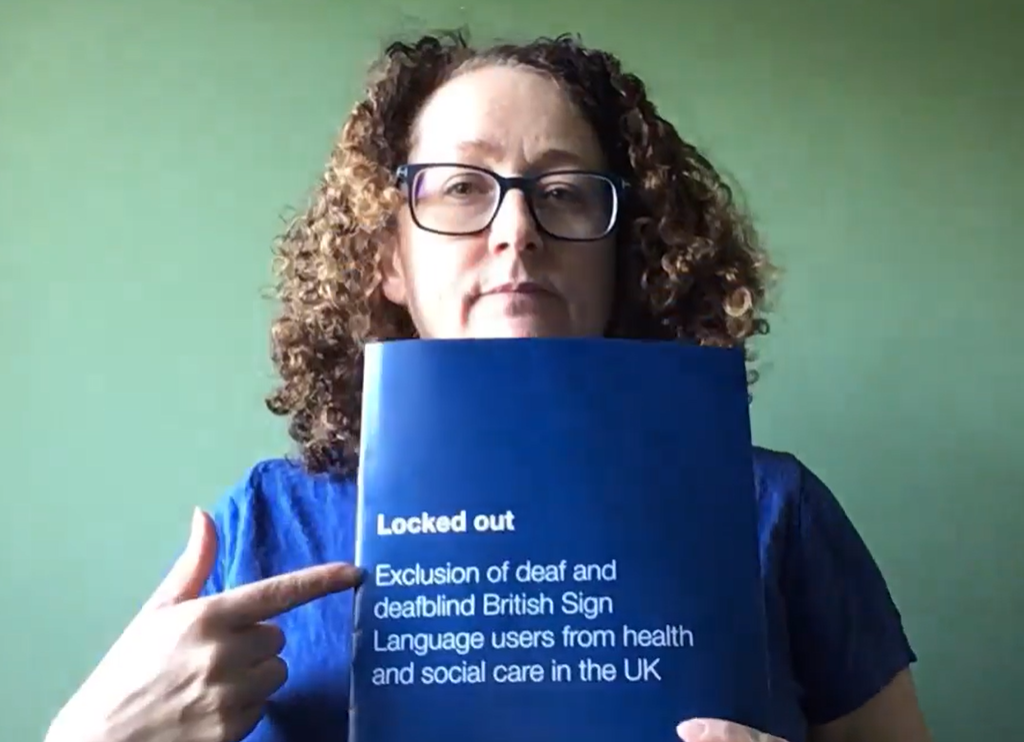
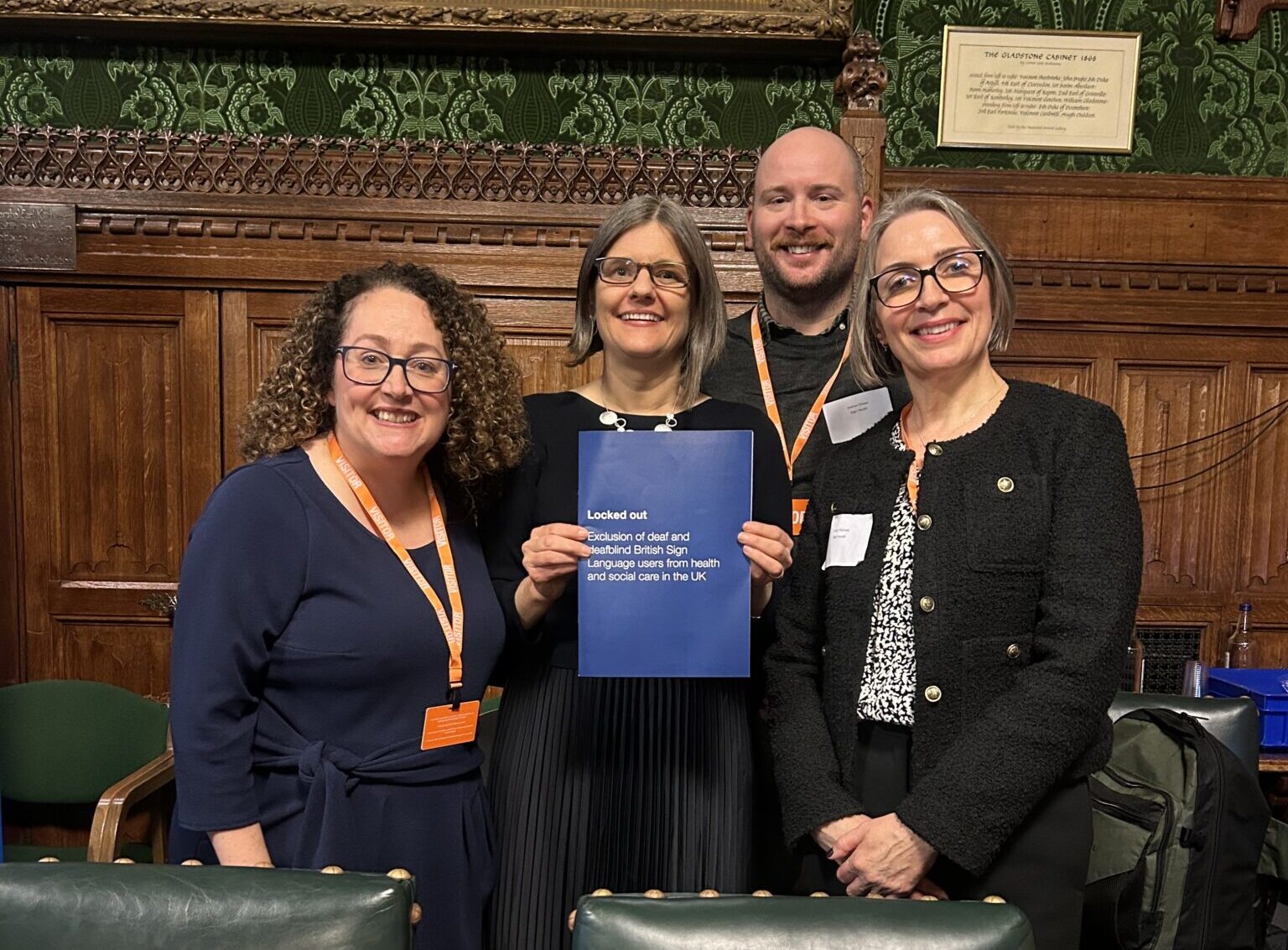
Locked out: Exclusion of deaf and deafblind BSL users from health and social care in the UK, published on 27 November 2025 by the BSL Advisory Board.
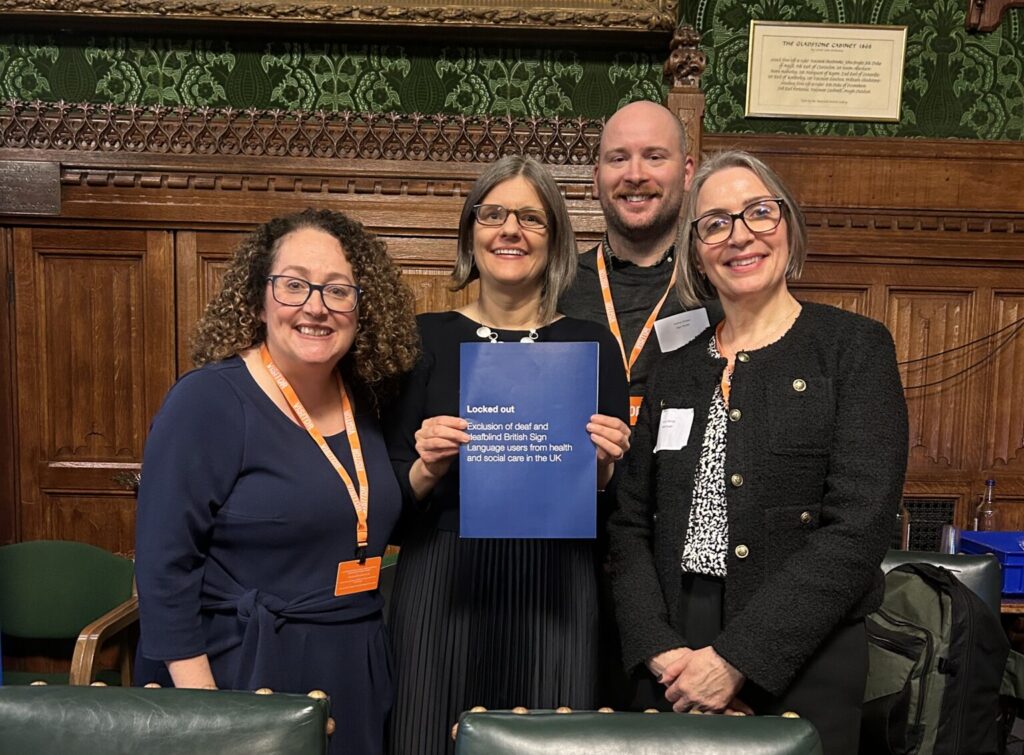
“SignHealth welcomes the publication of the BSL Advisory Board’s health and social care report and supports all 12 recommendations. As the deaf health charity, we are in a good position to help deliver these 12 priorities.”
– Philippa Wynne, Associate Director of Engagement
Training and consultancy
We can work with you to make your service accessible for deaf people.
- Bespoke deaf access audit and support
- Accessible healthcare for deaf people
- Healthy Minds for deaf children
- Supporting deaf people in social care
What needs to change in health services
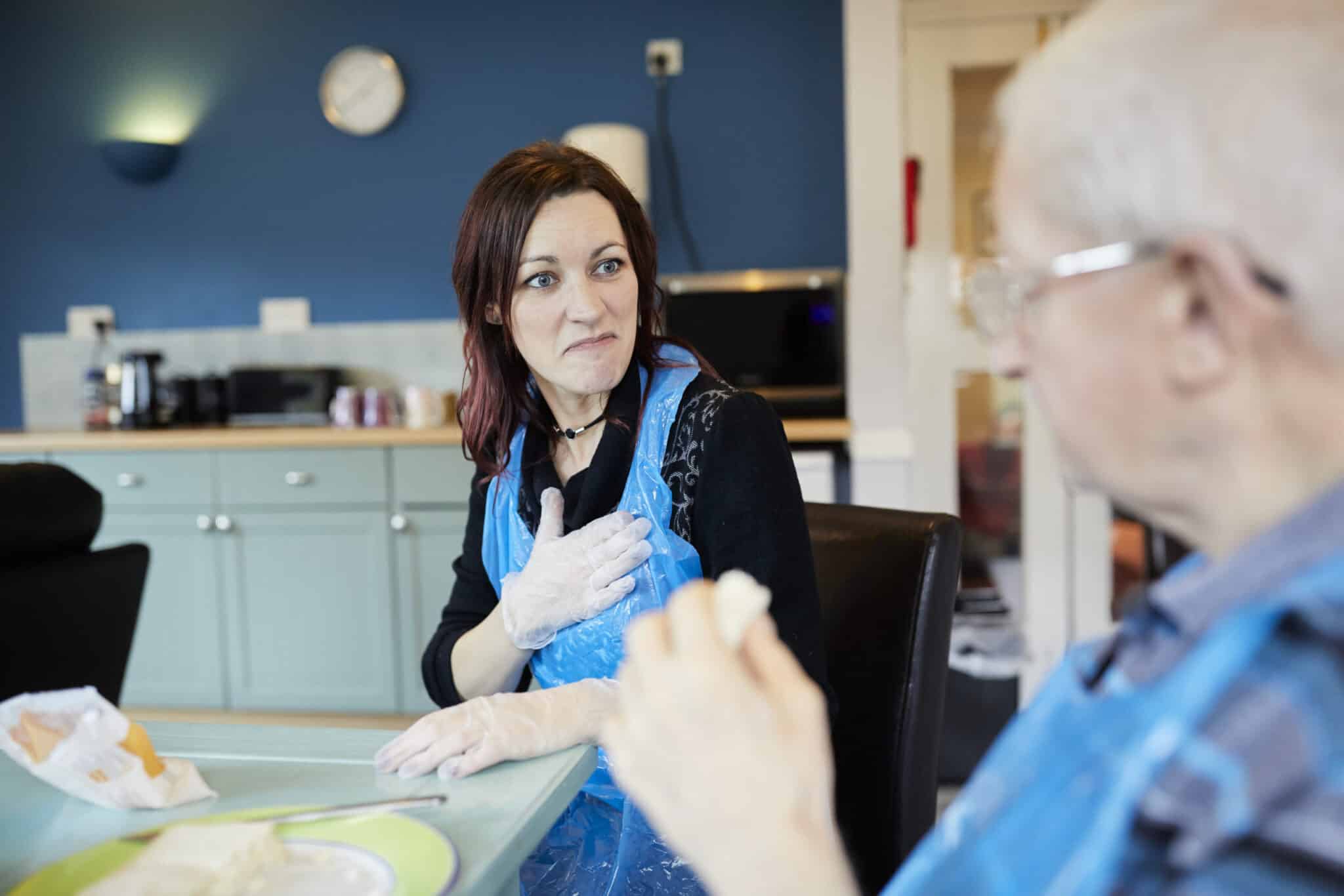
Communication – Every deaf person deserves the option to have interpreters and information in BSL.
Representation – Deaf and deafblind people must be involved in decisions that affect their care.
Accountability – Health systems must collect data and measure outcomes for deaf patients.
Every deaf person deserves the same standard of care – communication that works, accessible information, and services designed with us, not for us.
But the evidence shows that too often, these rights are ignored. Interpreter requests go unfulfilled. Health information isn’t available in BSL. And deaf and deafblind people are left out of decisions that directly affect their lives.
The BSL Advisory Board’s health and social care report confirms this. Many service providers are still struggling to meet their legal duties on communication and accessibility.
The report sets out clear evidence, recommendations, and solutions – and we’re ready to work with partners to make them happen. With the right commitment, the changes outlined in the report can deliver lasting improvements in safety, access, and outcomes for deaf people.
Many of the recommendations align with the priorities we have been campaigning for through our policy and research work:
- improving data on deaf people’s health outcomes,
- building a workforce that understands deaf people and their various communication needs
- creating health systems that remove barriers to communication at every stage of care.
SignHealth will continue working with the BSL Advisory Board, government, and partners to turn this evidence into real change – so that deaf people can finally have equal access, equal outcomes, and equal respect in health and social care.
Tell your MP why change is needed
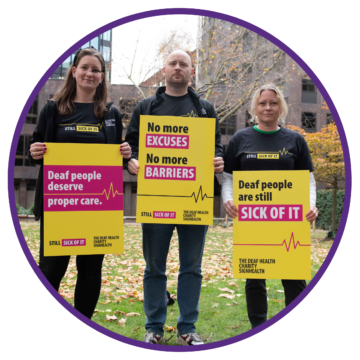
We are tired of waiting for the NHS to remember deaf and deafblind people. Use our email template to share the report and recommendations with your MP.

Understanding your rights
Perspectives and stories – what deaf people experience
Behind every statistic is a person. Deaf people’s experiences show why accessible health isn’t optional, it’s essential.

Rachel shares her poor access to healthcare during her first pregnancy. Will she have more access this time?

Simon shares his experience as a GP on the importance of improving deaf awareness in primary care.

Dorothy experienced discrimination in hospital after giving birth.
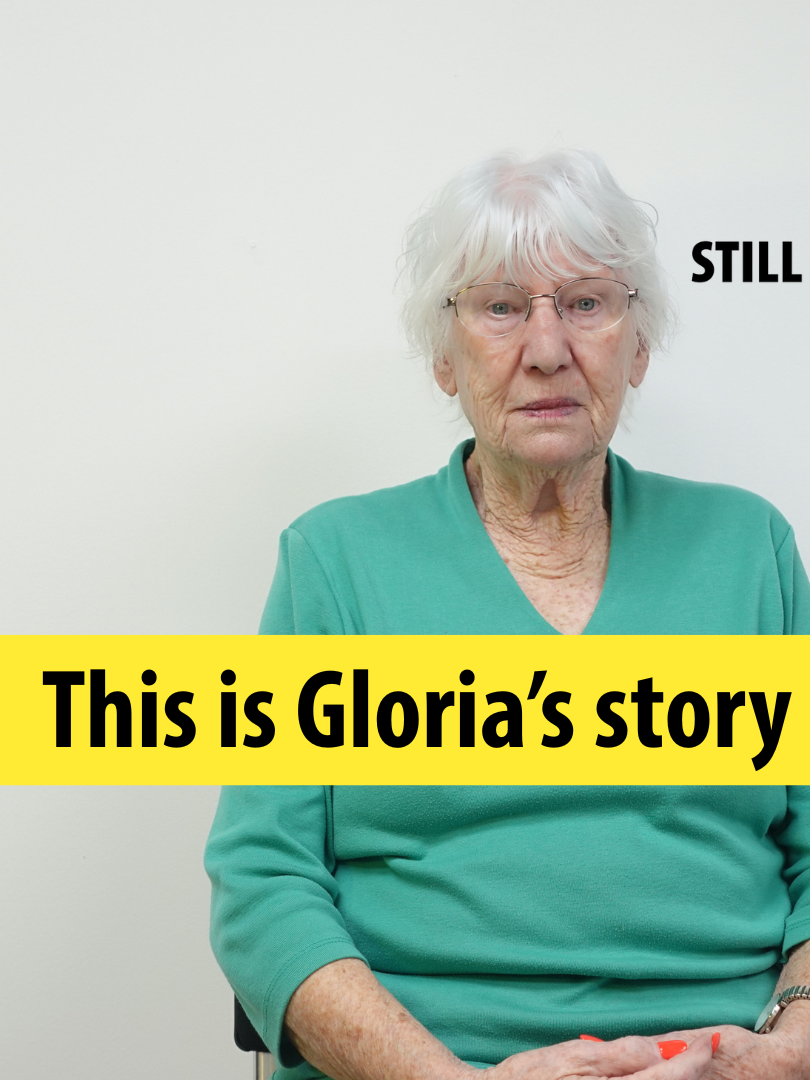
Gloria’s husband was diagnosed with content, but she was the last person to find out.
Accessible health in action
We’re turning evidence into action. Our services and campaigns show what accessible health looks like in practice.
Our policy priorities
Invest in deaf mental health services for all ages
Mental health services for deaf people are underfunded and often lack comprehensive pathways and specialist provisions. The absence of dedicated services and trained specialists means that deaf people face significant barriers in accessing appropriate mental health care. The Shaping the Future of deaf mental health report highlights these barriers and demonstrates the urgent need for increased investment to ensure that mental health support is accessible and effective for deaf people of all ages.
Include deaf people in decision-making
Involving deaf people in the design and delivery of healthcare services ensures these services meet their needs. By incorporating the insights and experiences of deaf people, healthcare providers can develop a deeper understanding of the unique challenges faced by this community. This collaborative approach leads to the creation of healthcare services fit for purpose, improving access and outcomes for deaf patients. The NHS England Rapid Review of British Sign Language Interpreting Services includes 17 recommendations for Integrated Care Boards (ICBs) to follow, offering guidance on effectively engaging with the deaf community and ensuring their needs are met.
Increase access to healthcare for all deaf people
Deaf people frequently encounter significant barriers in accessing healthcare, resulting in inequitable treatment. Our latest report Still Ignored: The fight for accessible healthcare reveals that many deaf people struggle to make appointments, often arrive at appointments without the necessary support, and face difficulties in making a complaint. These obstacles highlight the need for systemic changes to ensure that healthcare services are fully accessible to deaf people, providing them with the same quality of care available to the hearing population. When referring to “equity” we recognise that each person has different circumstances and that the exact resources and opportunities needed to reach an equal outcome should be allocated.
We are also asking government to:
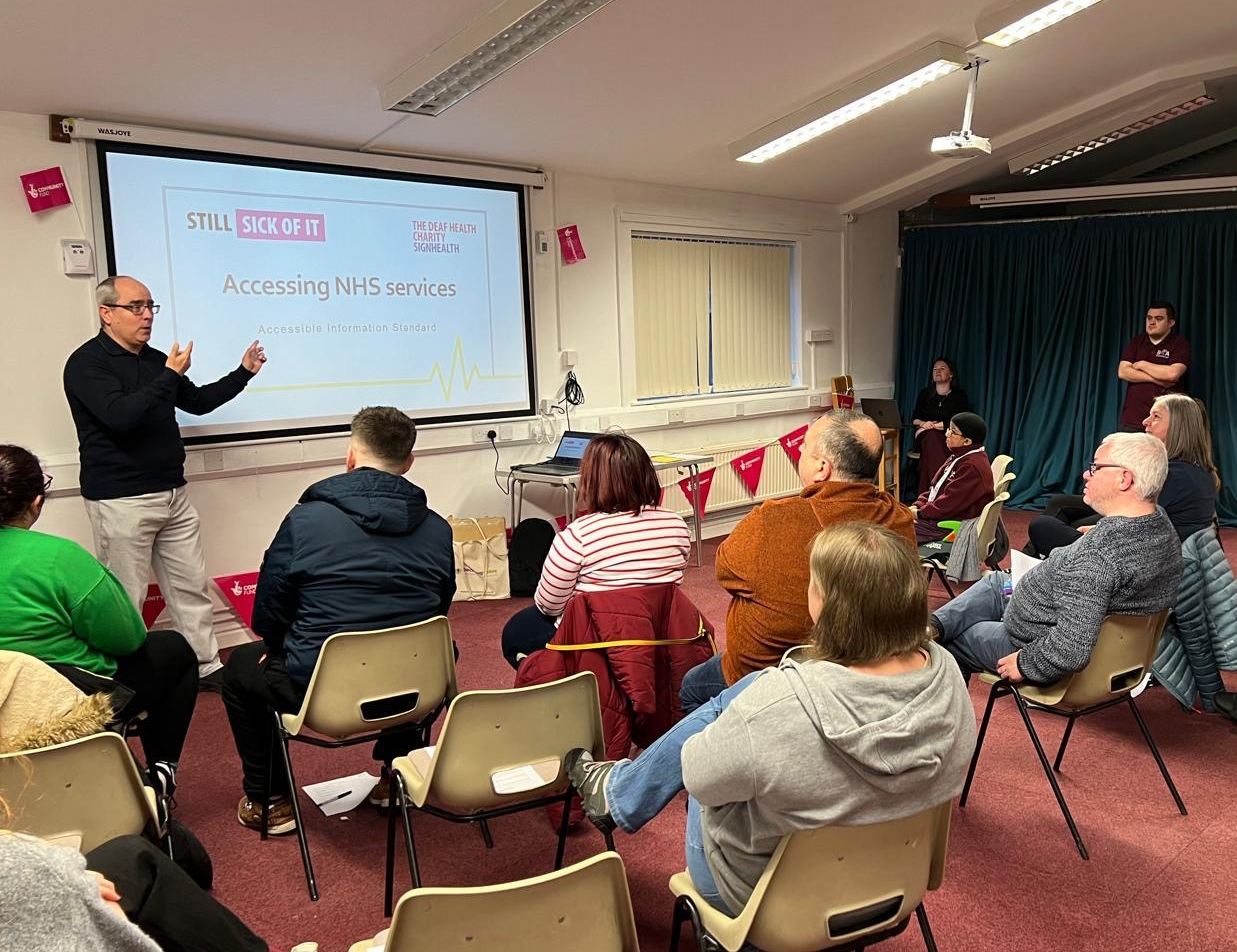
- Enforce the NHS Accessible Information Standard
- Embed BSL in NHS digital and communication systems
- Improve deaf and deafblind data collection
- Commission specialist deafblind services
- Make deaf awareness and BSL training mandatory
What you can do



-

Dr Sarah Powell: response to Locked Out report
A celebration of accessible, inclusive and engaging communications made possible with PageTiger.
-
-

Advancing health equity for BSL users
The BSL Advisory Board report has the answers to make services safer and more accessible, and SignHealth is ready to help you achieve that.